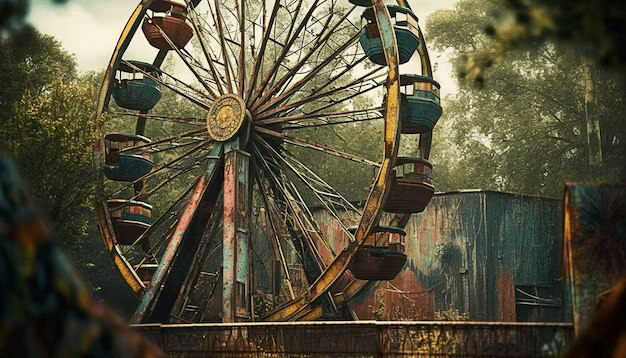
The Ferris wheel creaks

The streets are howlin’ with a ghostly call,
shadows whisper where the rain does fall.
A jukebox plays a tune so thin,
beneath the weight of a world caved in.
The moon’s a liar, the stars don’t care,
and the wind just moans like a broken prayer.

The preacher’s gone, the church is bare,
empty pews and a hollow air.
The bottle’s dry, the glass is cracked,
memories fade, but the pain stays stacked.
The clock ticks loud, but time stands still,
a frozen river, a bitter pill.

The carnival’s gone, but the clowns remain,
their painted smiles masking the pain.
The Ferris wheel creaks, the lights grow dim,
a circus of sorrow on a razor’s rim.
The crowd moves on, but the echoes stay,
a requiem hums for the price we pay.

The road is long, the night is deep,
the wolves are howlin’, the angels sleep.
A guitar strums in a dusty room,
a melody born from the edge of doom.
The fight goes on, though the hands are raw,
life’s a drunken brawl, with no final law.
Kris’ lonely alley

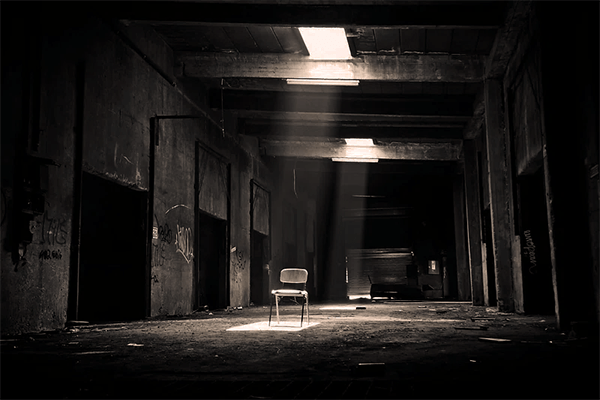
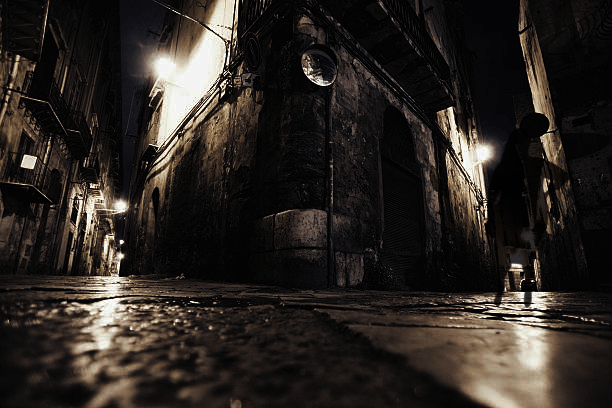
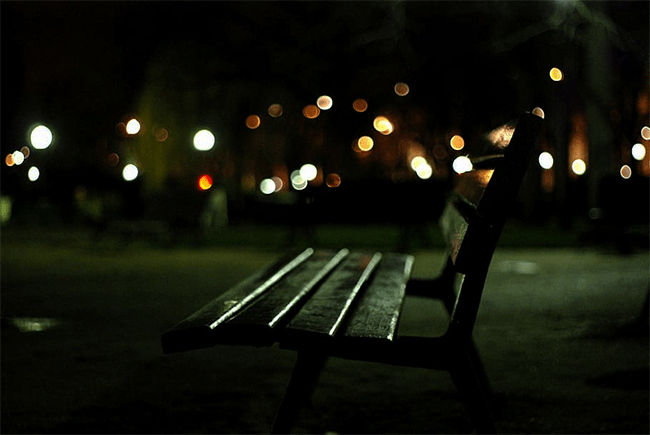
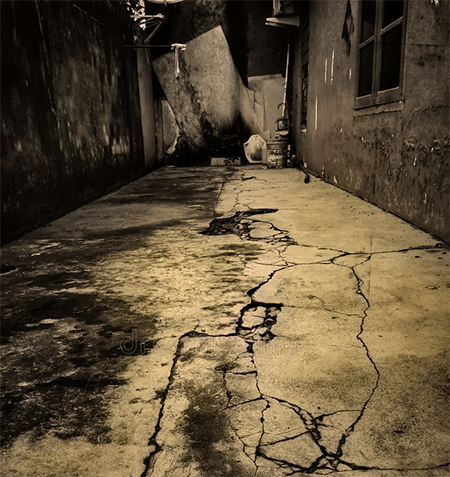
The alley yawned, a throat of shadowed stone,
where streetlamps coughed their amber, sickly light,
and there he sat, a man of flesh and bone,
a specter sipping silence through the night.
“Man, this is lonely,” I called to the air.
He laughed, “man, this is life, and life is bare.”

His voice, a rusted hinge on time’s old door,
creaked tales of roads where laughter once had trod,
of loves that burned like stars, then burned no more,
and dreams that drowned beneath the weight of God.
The bottle wept its amber tears for him,
a sacrament to sorrow’s shadowed hymn.

The night stretched on, a beast with breath of frost,
its teeth of wind gnawed bones of broken men,
and Kris, he drank to all the hours lost,
to every “never” and each “might have been.”
“The world,” he said, “is but a fleeting flame,
and we are moths who dance, yet bear no name.”

I left him there, a king of empty streets,
his throne a crate, his crown a tilted hat,
the echoes of his words, like drumming beats,
pursued me through the dark where shadows sat.
For Kris had shown me life’s unvarnished face,
a lonely alley, time’s unyielding grace.

The Infection of Words

No doubt the prospect of an infected thought,
seeded by a microbe’s lack of truth,
conjures scenes of horror and dismay.
It is easy to imagine pristine sentences
once vibrant and whole
twisting under the weight of contagion,
their meaning splintered,
their coherence rotting like fruit abandoned in the sun.

Such an infection does not announce itself with fever or rash.
It seeps quietly into the spaces between letters,
into the breaths between syllables.
At first, the changes are subtle.
A word becomes slightly misspelled,
its shape unfamiliar yet still recognizable.
But then the infection spreads.
Adjectives swell beyond their purpose,
swollen with exaggeration.
Verbs decay, losing their action.
Nouns fragment, sprouting contradictions like mold.

In time, entire sentences collapse,
their structure dissolving into incoherent babble.
Once-healthy paragraphs stumble
under the weight of distorted syntax,
reduced to gibberish.
And those who read them
those unsuspecting minds who take in the corrupted language
find their own thoughts infected, warped into mimicry.

It began in the libraries.
A single phrase repeated across volumes:
Truth is fragile.
Scholars argued over its origin.
They whispered that it had no author,
that it simply appeared.

By the time the infection was noticed,
it was too late.
Essays turned to riddles.
Instructions became circular.
Warnings faded into ambiguous riddles
that no one could interpret.

Oceanic edges

The saltkissed breeze caressed her skin,
stark contrast to the stale city air.
She stood close at the cliff,
the vast expanse of the ocean stretching out,
a mesmerizing dance of blue and green,
and the rhythm of the waves, a lullaby
washed away the urban shouts.

In her mind, she was a child again,
building castles of sand, chasing seagulls,
and collecting shells.
The ocean, her sanctuary, her escape,
and now, it was a distant dream,
a memory locked away in a treasure chest.

He, a creature of the land,
could not comprehend the pull of the sea.
To him, it was just water,
vast and indifferent.

He offered her a compromise,
a nearby lake, a mere puddle
compared to the ocean’s grandeur.

She looked at him,
her eyes filled with a profound sadness.
He saw the longing,
the yearning for something
he could never truly understand.

The ocean is not just a body of water,
she tried to spell,
it is a part of me,
a piece of my soul, she said.

And so, they stood on the edge of the world,
divided by the vastness of their understanding.

Misplaced misunderstanding

The evening had taken a sour turn.
My pockets were empty,
my bank account even more so.

I’d accused him of theft,
my anger a tempest brewing within.

But as I rummaged through my belongings,
a revelation dawned,
the last drops of my drink had spilled,
creating a chaotic dance in my pockets.

My three hundred kroner, safe and sound,
had simply been misplaced.

Guilt gnawed at me.
I’d been so quick to judge, so eager to accuse.
An apology was due, a gesture of reconciliation.

But my bottle, once a source of comfort,
was now empty.
I couldn’t offer a drink, a small token of amends.

Defeated, I turned away and drifted off to sleep,
haunted by the weight of my mistake.

Indefinable body

A sea of fears and regrets,
she called her dreams,
to later add that no regrets in her life,
only doubts.
Was she right or was she wrong?

She folded her personality into ripples
of translucent cheap vodka
and cursed all the potatoes
and the sugar of the world.
They made her fat, she said.

She took a deep sip
and then she blamed
universe and nature
that gave her such an elusive body,
obeying its own rules.

Indefinable, she called it
and walked away,
into a sea of fears and doubts.

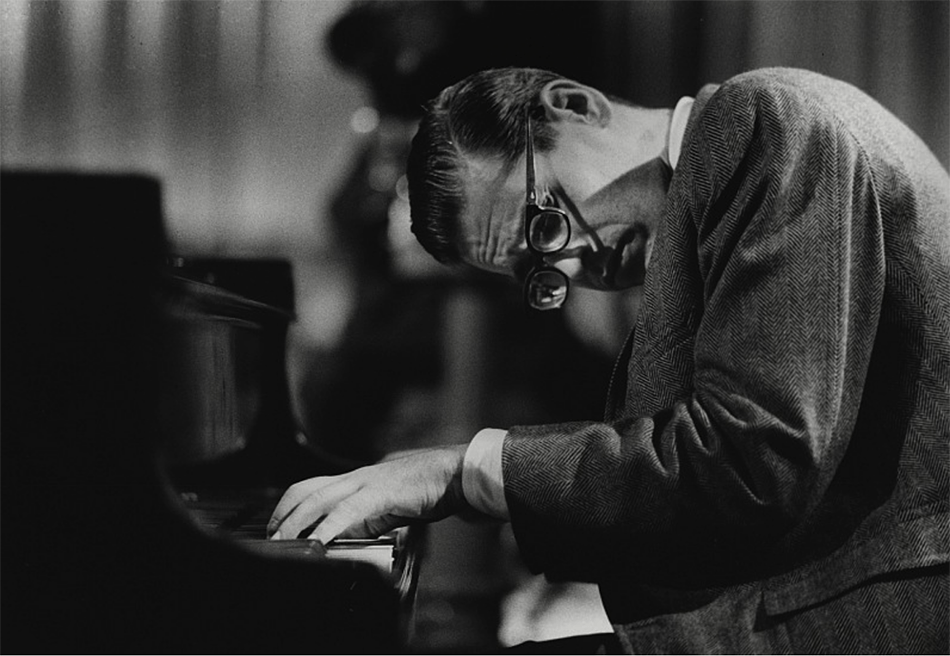
That’s okay kid

to Bill Evans

That’s okay kid;
it used to be Bill Evans

the old days,
Bill Evans still it is,
turn the radio on
find the goodies
and you will hear
the piano butterfly
all the way to your heart.

That’s okay kid;
don’t need to turn
the volume on,
this is not rock ^ roll,
just let the ripples
travel you all the way
to your soul,
make peace with a piece in C major.
That’s okay kid; it’s me.

A Woman’s Tale

Her face etched with lines of time,
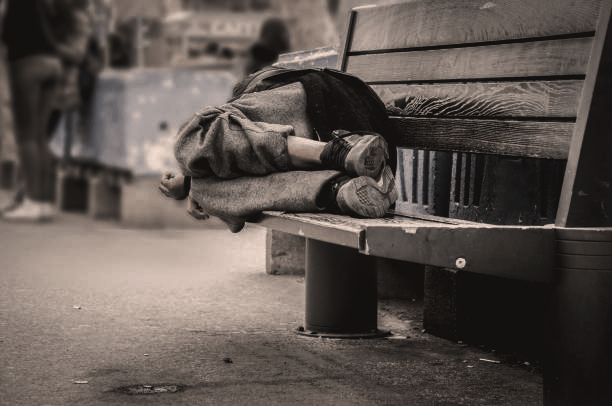
she sat next to us on a bench,
the breeze whipping through her thin skin.
She clutched a bottle of cheap vodka,
taking long, comforting sips;
eyes, filled with sadness and a hint of defiance,
drifting towards the overcast sky.

“He was so fit,” she murmured, soft and low,
a tiny smile, a flicker, a fleeting glow.
“Vietnamese, Thai or Taiwanese. I think,” she said,
“But he was so fit, all muscle, all ahead.”
she said taking another deep sip.

She recalled the young woman she was,
all life, no care, some hope.
A woman captivated by the allure of a strong,
magnetic male. A man full of promise
who had lived the harsh realities of life;
she thought she was where she belonged.

“And I was young. Damn young. And a fool!”
she continued, her voice filled with regret.
“He saw it before anybody else,
‘Darling, if you want a future,
you have to leave this in the past.’
And it was that time the prick
was becoming my shared present!”

“Oh man,” she said, her voice breaking,
“you said you loved me.
One more time, just one more jab.
Here, the last one.”

He left
no word behind
no trace, no sound,
her heart shattered, lost and unbound.
And he became a woman’s tale,
of love and loss,
a bitter memory, a heavy cross.
One more stab!

Ahoy, Crimson Dawn

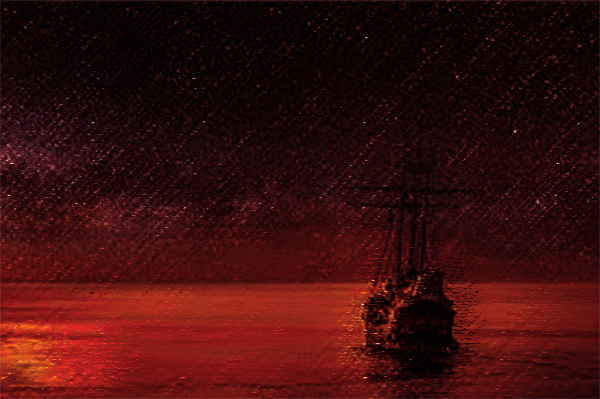
When the mist parts away reveals panoramas of horror,
in its place stretches an infinite expanse of crimson,
a river that writhes and pulses with an otherworldly verve.

Crimson Dawn, once a proud vessel,
now a spectral silhouette adrift on its infernal aquatic.
The compass spins like a wounded dervish,
the peak of its needle seeking a nonexistent north.

Terror, cold and absolute, seized the face,
a mixture of disbelief and despair,
mirrored the crimson hue of the river.

A world turned upside down,
a maritime nightmare where the only constant
the endless, creeping current.

Captain’s weathered face bore the lines of countless storms,
stood at the helm, his grip on the wheel white-knuckled,
grappling with an enemy beyond comprehension,

His kind of terror.
A terror that seeped into the soul,
a dread that chilled to the bone.

“Ahoy,” his voice, a hoarse whisper in the eerie silence,
“we’re on the River of Blood, The charts say there’s no return.”
A murmur, like the wind through the skeletal needle,
ripple through watered bones.

Crimson Dawn is no longer a ship,
but a coffin on a liquid funeral pyre.
in the currant of the final spree.

And the captain, once a master of his fate,
now a captain without a course,
a pilot charting a voyage into the indefinite,
perhaps the unknowable,

definitely the known.

Our eyes

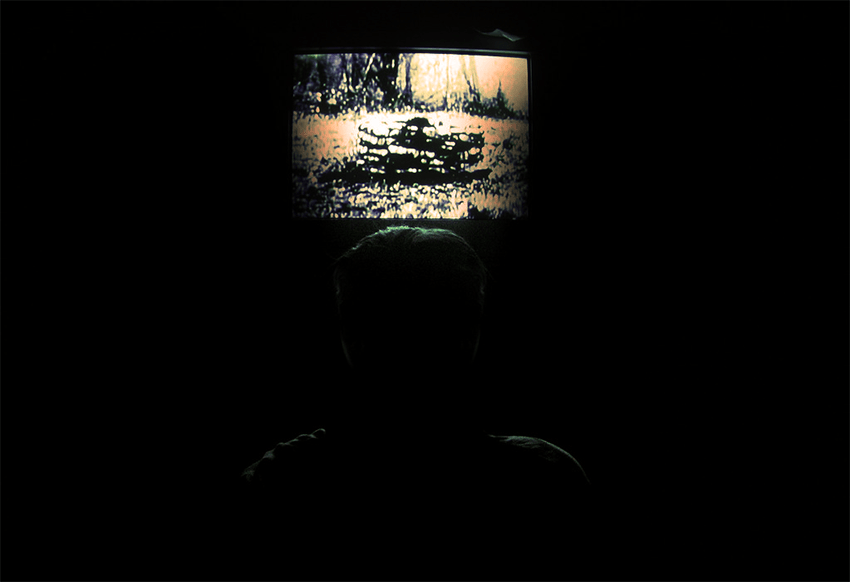
The ochre liquid swirled in the glass,
catching the dim light of the TV.
Sunday night, the sanctuary of the week,
was turning into a familiar grim scene.
Adrian and I silent spectators
of a world gone awry,
our shared cynicism a bitter form of companionship.

The anchor’s voice,
a monotone counterpoint to the escalating chaos,
reported another shooting in Malmö,
the usual suspects, said the police chief, a man whose face
held a mix of weariness and condescension.
Adrian snorted. “Same old story, different day,”
he muttered, his eyes fixed on the screen.

I nodded, my mind wandering to the countless faces
that slipped through the net of the order.
Young men, in a society that had failed them,
becoming statistics in a never-ending cycle.
The police chief, a man of privilege, could afford life.
But for those trapped in the crossfire,
life is a high-stakes gamble.

“but when they see us,” Adrian said, breaking the silence,
“they think, ‘those guys, they’re safe.’
they don’t fit the chief’s picture.
Funny how that works, huh?”
His laughter was tinged with bitterness.

I raised my glass in a silent toast.
…to our eyes,
our blue eyes.